Stamford, Connecticut

Mold removal in Stamford.
Quoted free.

For a Stamford rental or occupied multifamily property, start by explaining your role: resident, owner or manager. Say where the visible issue or odor is and whether other units may need access. Avoid sending names, medical records or other occupants' personal details through a general quote request.

Request a free quote

CT Mold Removal is a free quote-matching service, not a mold removal company. Independent professionals quote and perform the work. You choose whether to hire.

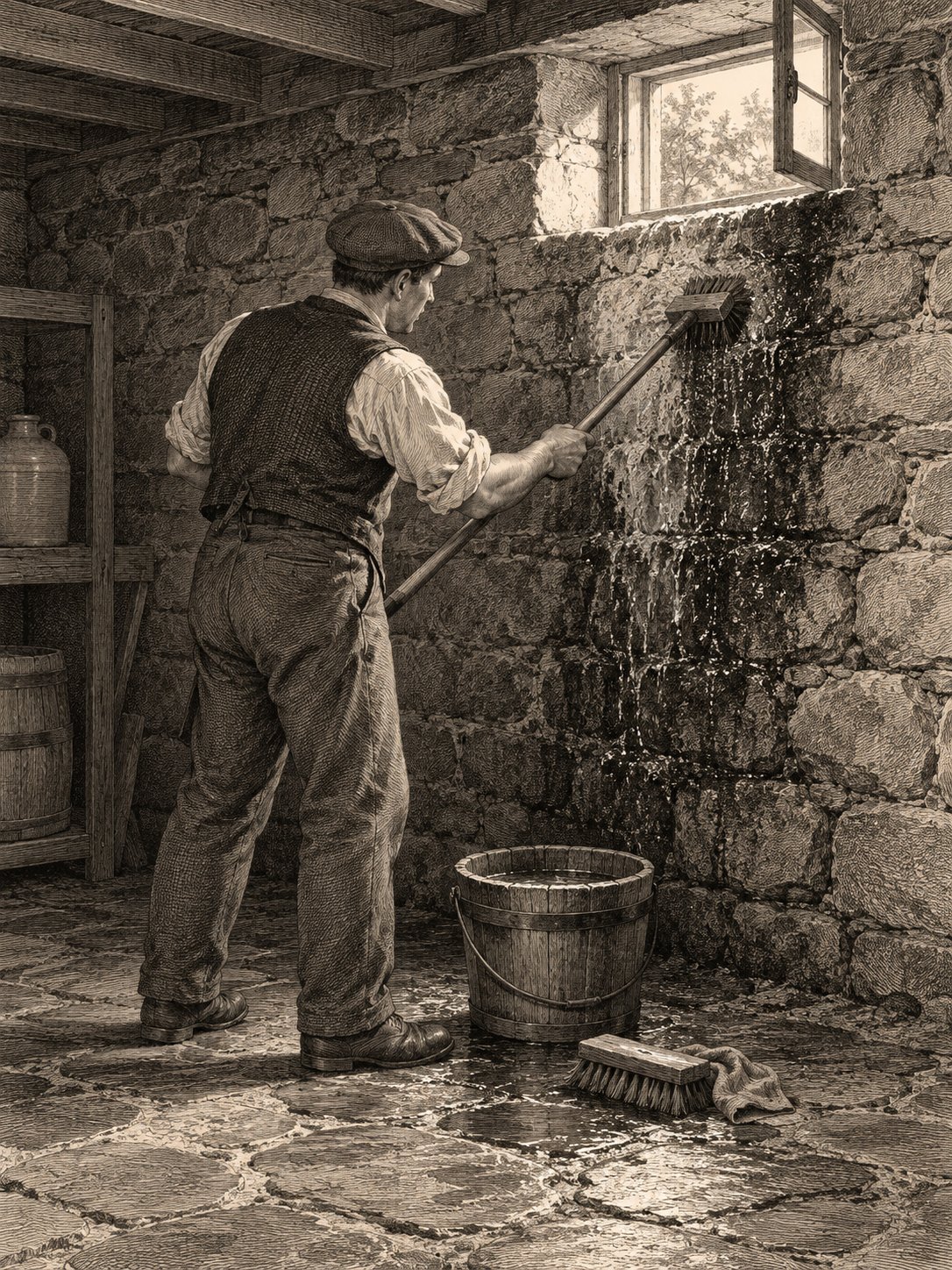
Engraving-style illustration of a workman washing mold from the stone wall of a Connecticut cellar

Planning guide

Mold concerns in an occupied apartment

Agree on access and authorization

A resident can report a concern, but paid work and opening walls need the appropriate owner or management approval. Ask how an assessment visit will be coordinated and whether the proposed cleanup affects shared spaces. Request a plan for separating the work area from occupied areas and ask what occupants need to know before work starts. This service cannot decide a landlord-tenant dispute or certify that a unit is safe to occupy.

Can the quote service tell me whether I must move out?

No. Discuss occupancy concerns with the appropriate health or building authority and qualified professionals. Seek medical advice for health symptoms rather than relying on a cleanup quote.

A short preparation checklist

  • Identify the affected room and who can arrange entry.
  • Note whether water is still entering the space.
  • Ask who will approve cleanup and any rebuilding.

Tell us about the job in Stamford.

Use the quote form on our homepage. Include the location, the concern and your preferred timing. The request is free and carries no obligation to hire. Paid work is agreed directly with the independent mold removal professional.

Get my free quote

Homeowner resources

General planning information, not a diagnosis, safety clearance or permit determination. Sources checked November 21, 2026. For immediate danger, contact emergency services or the relevant utility rather than waiting for a form response.